Solkadi is a refreshing Konkani preparation made with coconut milk and kokum. Its delicate coconut flavour, gentle tanginess and light consistency make it a lovely accompaniment to a traditional meal, especially one featuring fish or other non-vegetarian dishes.
This version of Konkani solkadi combines freshly extracted coconut milk with kokum water, garlic and green chilli. A simple mustard seed and curry leaf tempering adds another layer of flavour, although the solkadi is equally delicious without it.
If you enjoy the combination of coconut and kokum, this homemade solkadi is a wonderful way to bring the flavours of coastal Maharashtra and Goa to your dining table.
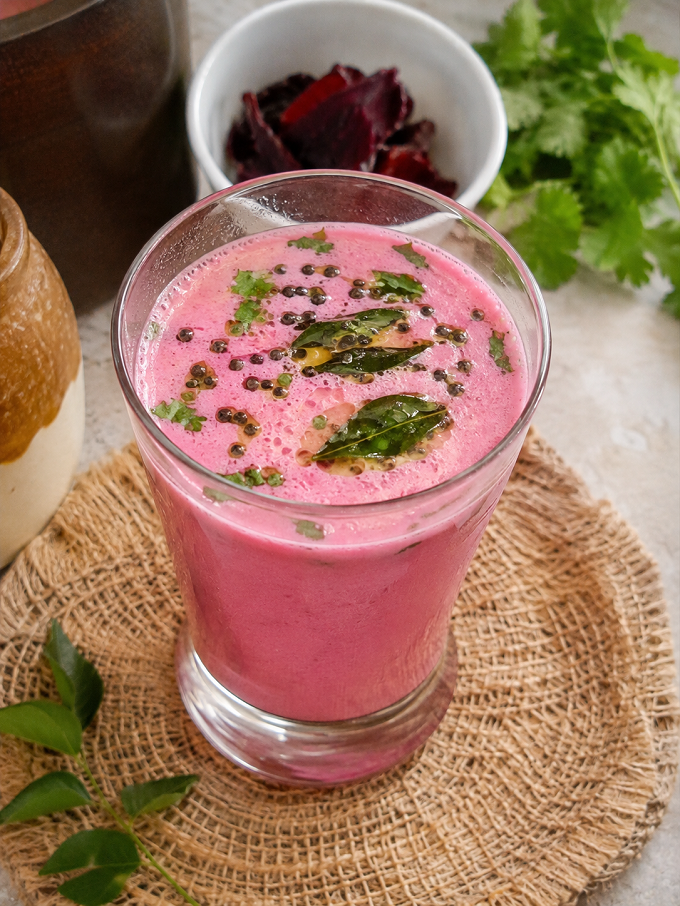
About Solkadi
Solkadi, also spelled sol kadhi or solkadhi, is a traditional drink associated with the Konkani and coastal Maharashtrian cuisines. It is commonly prepared using coconut milk and kokum, a fruit known for its pleasantly sour taste and deep pinkish-purple colour.
The coconut milk provides a mild, creamy base, while kokum gives the drink its characteristic tanginess. Garlic, green chilli and salt add flavour without overpowering the two main ingredients.
Solkadi is generally served alongside a meal rather than as a sweet beverage. It is particularly popular with fish, seafood and other non-vegetarian preparations, although it can also be enjoyed with a simple vegetarian meal.
There are different ways to prepare solkadi. Some versions use freshly extracted coconut milk, while others use coconut milk prepared from dried coconut or a ready-made coconut milk product. The choice of coconut milk, the amount of kokum and the use of tempering can all influence the final taste.
What Makes This Solkadi Worth Trying?
Fresh coconut milk gives it a natural flavour
Freshly extracted coconut milk gives this solkadi a delicate coconut flavour and a smooth consistency. It also allows you to adjust the thickness according to your preference.
The coconut milk can be extracted more than once, with the first extraction producing a thicker milk and subsequent extractions producing a thinner one.
Kokum adds a refreshing tang
Kokum is an important ingredient in this preparation. Its sour flavour balances the richness of coconut milk and gives solkadi its distinctive taste.
The amount of kokum used can influence both the sourness and the colour of the drink. This makes it easy to adjust the flavour to suit your preference.
Garlic and green chilli add depth
Garlic and green chilli provide a gentle savoury flavour that complements the coconut and kokum.
The chilli adds a little heat, while garlic gives the drink a more rounded flavour. Neither needs to overpower the coconut milk.
The tempering is optional
A simple tempering of mustard seeds and curry leaves adds a fragrant finish to the solkadi.
However, this drink does not depend on tempering for its flavour. It can be served without it, making it a convenient option when you prefer a simpler preparation.
When and How to Serve Solkadi
Solkadi is traditionally enjoyed as an accompaniment to a meal. Its refreshing, tangy flavour works particularly well alongside dishes with bold spices.
Here are some ways to serve it:
- With fish curry and rice: Solkadi makes a lovely accompaniment to a traditional Konkani fish meal.
- With fried fish or seafood: Its light, tangy flavour complements the savoury taste of fried seafood.
- With chicken or mutton dishes: Serve it alongside a spicy non-vegetarian meal for a refreshing contrast.
- With a simple vegetarian meal: Solkadi can also be served with rice, dal and vegetable preparations.
It is best served chilled or cool, especially during warm weather. If you prefer a freshly prepared version, it can also be enjoyed at room temperature.
Tips for Making Delicious Solkadi
Use fresh coconut for the best flavour
Fresh coconut is particularly suitable for this recipe because the coconut milk is extracted directly from the grated coconut.
The quality and freshness of the coconut can influence the flavour of the finished solkadi.
Adjust the coconut milk consistency
The thickness of coconut milk affects the overall texture of solkadi.
A thicker coconut milk produces a richer, creamier drink, while a thinner extraction gives it a lighter consistency.
Choose the consistency according to how you prefer to serve it.
Balance the sourness of kokum
Kokum provides the characteristic tangy flavour of solkadi.
If you prefer a milder taste, use less kokum water. For a more pronounced sourness, adjust the amount to your liking.
The final colour and flavour will also depend on the kokum used.
Avoid overpowering the coconut flavour
Garlic and green chilli should complement the coconut milk rather than dominate it.
A balanced solkadi should have a noticeable coconut flavour, a refreshing tang from kokum and a gentle savoury taste.
Try it without tempering
The mustard seeds and curry leaves add fragrance, but they are not essential.
If you prefer a simpler solkadi, you can skip the tempering altogether. The coconut milk, kokum, garlic and green chilli provide plenty of flavour on their own.
Variations and Substitutions
Solkadi without tempering
This is the simplest variation of the recipe. Omitting the tempering gives you a lighter preparation with a more direct coconut and kokum flavour.
It is also a useful option when you want to prepare solkadi without an additional cooking step.
Solkadi with thicker coconut milk
If you prefer a richer drink, use a thicker extraction of coconut milk.
This produces a creamier consistency and a more pronounced coconut flavour.
Solkadi with milder garlic and chilli
For a gentler flavour, reduce the amount of garlic or green chilli.
This variation works well if you prefer your solkadi to be less spicy or want the coconut and kokum flavours to stand out more clearly.
Solkadi with a stronger kokum flavour
If you enjoy a more pronounced tanginess, adjust the amount of kokum water to your taste.
Keep in mind that increasing the kokum can also make the colour of the solkadi deeper.
How to Store Solkadi
Solkadi prepared with fresh coconut milk is best enjoyed soon after preparation.
If you have leftovers, transfer them to a clean, covered container and refrigerate promptly. Keep the solkadi chilled until you are ready to serve it again.
Since this recipe uses fresh coconut milk, avoid leaving it at room temperature for extended periods.
Before serving refrigerated solkadi, stir it well to bring the coconut milk and kokum water together.
For the best flavour and texture, prepare only as much solkadi as you expect to consume. Fresh coconut milk can change in flavour and consistency during storage, so freshly prepared solkadi is generally the most enjoyable.
Frequently Asked Questions
What is solkadi made of?
Solkadi is traditionally made with coconut milk and kokum. This version also includes garlic, green chilli, salt, mustard seeds and curry leaves.
Is solkadi a drink or a curry?
Solkadi is generally served as a drink or accompaniment alongside a meal. Although it is made with coconut milk and kokum, it is not usually served as a curry.
What does solkadi taste like?
Solkadi has a refreshing, tangy taste with a mild coconut flavour. Garlic and green chilli add a savoury touch, while the optional tempering provides additional fragrance.
Can I make solkadi without tempering?
Yes. Solkadi tastes delicious without tempering. The coconut milk, kokum, garlic and green chilli provide the main flavours, so the tempering is entirely optional.
Can I use ready-made coconut milk to make solkadi?
Yes, ready-made coconut milk can be used as a substitute for freshly extracted coconut milk. However, the flavour and consistency may differ from a preparation made with fresh coconut.
Why is my solkadi too sour?
Solkadi can become too sour if the amount of kokum water is greater than what you prefer. Adjust the kokum quantity according to your taste to achieve a better balance between the coconut milk and the tanginess.
Should solkadi be served hot or cold?
Solkadi is generally enjoyed chilled or cool. Its refreshing flavour makes it particularly pleasant alongside a warm meal.
Can solkadi be made ahead of time?
Yes, you can prepare solkadi ahead of a meal and refrigerate it until serving. Stir it well before serving, as the coconut milk and kokum water may separate slightly during storage.
More Traditional Maharashtrian Recipes
Besan Pithla, Spring Onion Sabji (Zunka), Spring Onion Pithla, Valache Birde (Dalimbi Usal), Lal Bhopla Gharge (Sweet Pumpkin Puri), Bharli Vangi (Stuffed Eggplant Curry), Bhajani Vade (Thalipeeth Vade), Shimla Mirch Zunka (Shimla Besan Sabji), Kobhi Peeth Perun (Zunka), Alu Chi Patal Bhaji, Methi Chi Patal Bhaji, Alu Vadi, Kothimbir Vadi, Ukdiche Modak
More Related Recipes
So to conclude: Solkadi is a simple yet flavourful Konkani preparation that brings together the natural richness of fresh coconut milk and the refreshing tanginess of kokum.
Whether served with fish curry, fried seafood or a traditional rice meal, it makes a wonderful addition to the dining table. The garlic and green chilli provide a gentle savoury flavour, while the optional tempering adds a fragrant finish.
If you enjoy traditional coastal flavours, this homemade solkadi is a lovely recipe to try. Its refreshing taste and simple ingredients make it an easy way to bring a little Konkani flavour to your everyday meals.
If you like recipes like these, let’s connect on YouTube, Instagram & Facebook. Thank you for stopping by, I would really love to know your thoughts on this recipe.
Also, do check out my Lifestyle Blog eralivine.com if interested.
Recipe Card
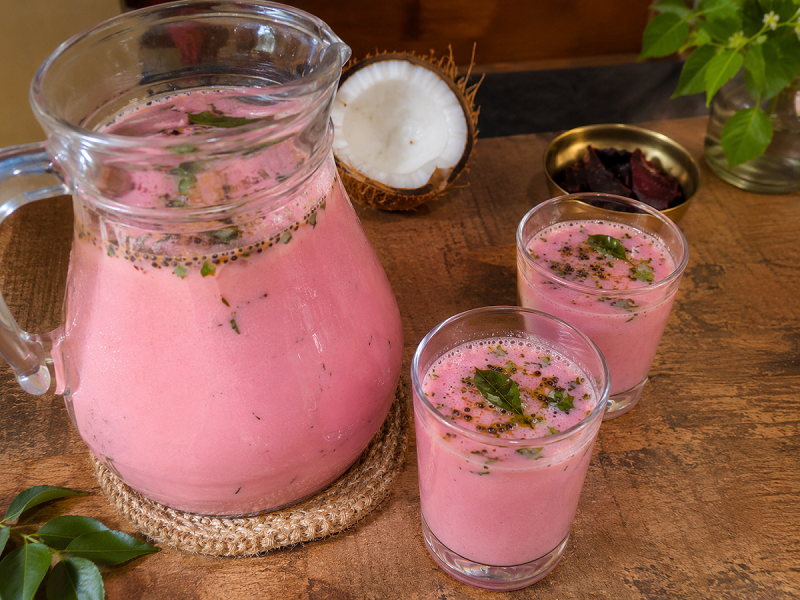
Solkadi: A Traditional Konkani Coconut and Kokum Drink
Ingredients
Method
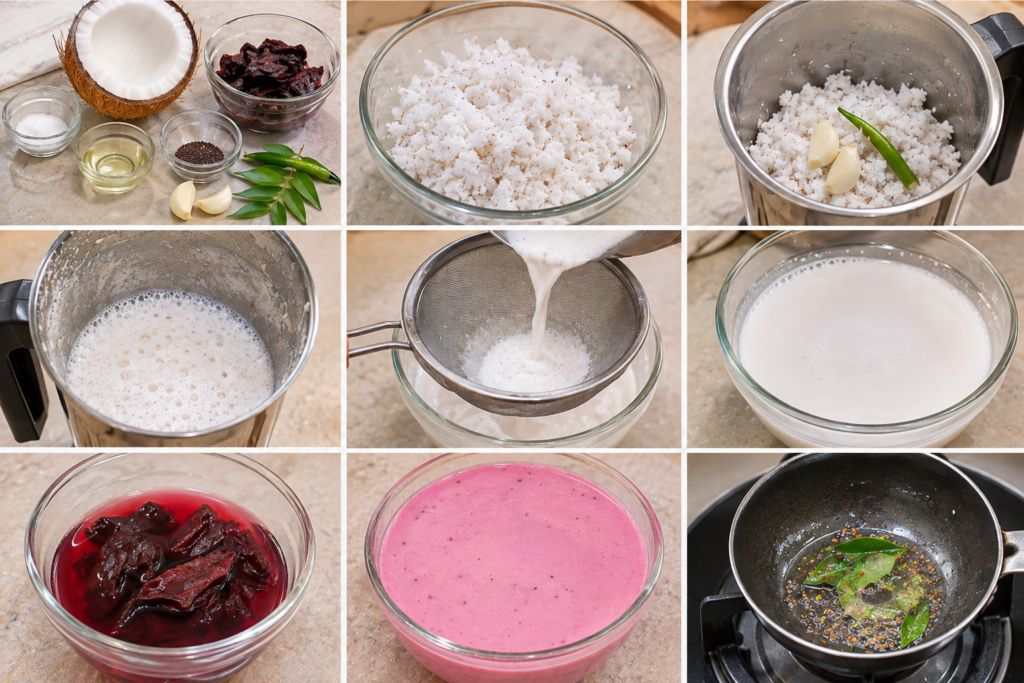
- Soak the kokum in hot water for about 45 minutes to one hour. Strain the kokum water and set it aside.
- Grate the fresh coconut and transfer it to a blender. Add the green chilli, garlic and enough water to blend into a smooth, thin paste.
- Extract the coconut milk: Strain the blended mixture through a fine-mesh sieve to collect the coconut milk. For a thinner consistency, repeat the blending and straining process with the remaining coconut pulp. If you prefer a thicker coconut milk, a single extraction is sufficient.
- Combine the coconut milk and kokum: Add the strained kokum water to the coconut milk. Season with salt to taste and mix well until everything is combined.
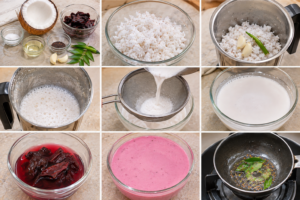
- Heat the oil in a small pan. Add the mustard seeds and allow them to crackle.
- Add the curry leaves and let them release their aroma.
- Pour the tempering over the prepared solkadi and mix gently.
- Serve the solkadi alongside your favourite meal, especially a traditional non-vegetarian meal.