Bhindi is one of those vegetables that can be cooked in so many ways, but sometimes a small change in the masala makes an everyday sabzi taste completely different. This Bhindi Coconut Masala is a lovely example.
Made with fresh grated coconut, red chilli powder, onion and Indian spices, this bhindi sabzi has a slightly crisp texture and a delicious coating of coconut masala. The coconut is ground with red chilli powder to make a dry paste, which gives the dish its distinctive flavour. Goda masala adds a lovely Maharashtrian touch, while garam masala or coriander-cumin powder can also be used.
What makes this recipe particularly nice is that the coconut masala does not turn into a heavy gravy. Instead, it clings to the pieces of bhindi, giving every bite a combination of tender okra, coconut and spices.
This is an easy Indian vegetarian sabzi that works beautifully for everyday lunch or dinner. Serve it with dal rice, roti or phulka for a simple homemade meal.
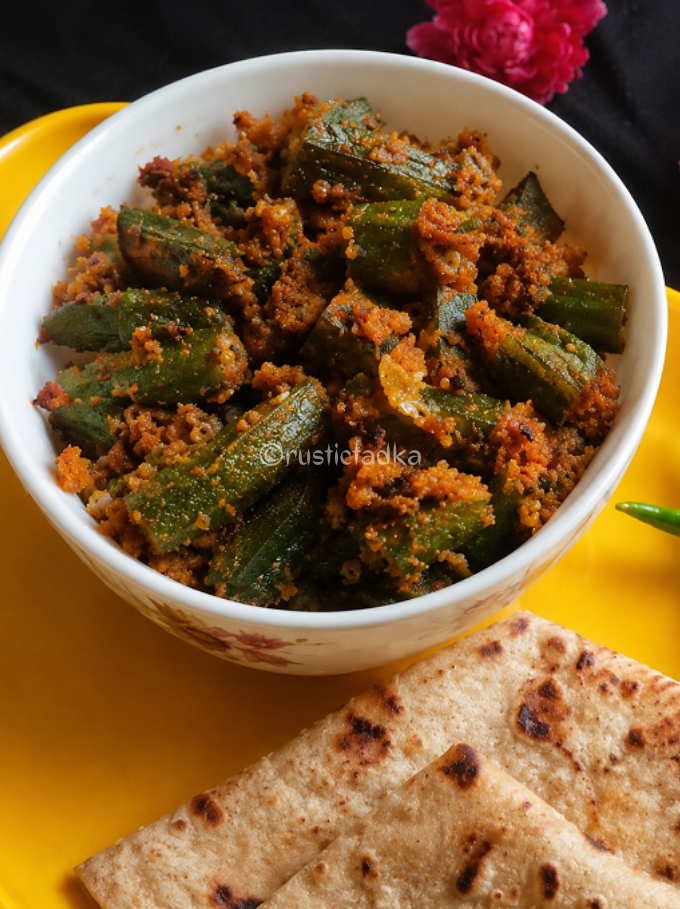
What Makes This Bhindi Coconut Masala Special?
There are plenty of ways to prepare bhindi, but this recipe is a little different from the usual onion-tomato bhindi masala.
The main flavour comes from fresh coconut ground with red chilli powder. This creates a thick, dry masala that coats the okra instead of forming a gravy. As the bhindi cooks, it absorbs the flavours of the spices, while the coconut adds a mild sweetness and texture.
Onion provides a savoury base, mustard seeds and hing add flavour to the tempering, and goda masala gives the sabzi its distinctive Indian spice profile.
A little sugar is optional, but it helps balance the heat from the chilli and brings out the flavour of the coconut. If you enjoy a slightly tangy sabzi, amchur powder is another useful addition.
The result is a dry bhindi sabzi that is flavourful without being complicated.
Why Use Fresh Coconut in Bhindi Sabzi?
Fresh coconut is the ingredient that gives this recipe its character. It adds a mild sweetness and a pleasant texture that works particularly well with bhindi.
Unlike a regular onion-based masala, this recipe uses a ground coconut mixture rather than a wet gravy. Since the coconut is blended without water, it remains thick and helps coat the okra evenly.
As the sabzi cooks, the coconut masala absorbs the flavours of the mustard seeds, hing, turmeric and other spices. It also gives the dish a slightly textured finish rather than a smooth curry-like consistency.
Freshly grated coconut is ideal for this recipe. Desiccated coconut can have a different texture and flavour, so the result may not be quite the same.
How to Keep Bhindi from Becoming Slimy
One of the most common problems when cooking bhindi is its sticky or slimy texture. This usually becomes more noticeable when the vegetable is wet or when it is cooked with too much moisture.
For this particular coconut bhindi sabzi, a few details make a real difference.
Wash and Dry the Bhindi Properly
Always wash the bhindi before cutting it and dry it thoroughly with a clean kitchen towel. Even a little water left on the surface can make the vegetable sticky while cooking.
If you have time, wash the bhindi ahead of cooking and let it dry completely. This makes it easier to handle and cut.
Do Not Cut the Bhindi Too Thin
The size of the pieces matters. Very thin slices can become soft quickly and may lose their shape during cooking.
Cutting the bhindi into slightly larger pieces helps it hold its shape and gives the coconut masala enough surface area to coat each piece.
Cook Without Covering the Pan
This is an important part of the recipe. Cook the bhindi in an open pan rather than covering it with a lid.
Covering the pan traps steam and moisture, which can make the okra sticky and soft. Cooking it uncovered allows excess moisture to escape and helps the pieces cook without becoming mushy.
Avoid Constant Stirring
Bhindi is delicate once it begins to soften. Stir it gently when needed rather than moving it around continuously. This helps the pieces remain intact and prevents the masala from becoming mashed into the vegetable.
Why Is the Coconut Masala Added After the Bhindi Has Cooked for Some Time?
The timing of the coconut masala is important in this recipe.
Bhindi needs some time to cook and release its moisture before the coconut mixture is added. Cooking it first in the tempering and onion allows the vegetable to soften while excess moisture evaporates.
Adding the coconut masala too early can make it difficult to cook the bhindi properly. The coconut may also begin sticking to the pan before the vegetable has become tender.
Adding it later allows the bhindi to cook first, after which the coconut and spices can coat the pieces and develop their flavour together.
The final sabzi should be tender, with the coconut masala evenly distributed rather than sitting in a wet layer at the bottom of the pan.
Goda Masala or Garam Masala – Which Should You Use?
Goda masala gives this bhindi sabzi a lovely Maharashtrian flavour. It has a distinctive blend of spices and works especially well with coconut-based preparations.
If you have goda masala at home, it is a good choice for this recipe.
Garam masala is another option and gives the sabzi a more familiar warm spice flavour. If neither is available, coriander-cumin powder can be used instead. The taste will be slightly different, but it still makes a flavourful everyday bhindi sabzi.
There is no need to buy a separate spice mix just to make this recipe. Use what you already have in your kitchen.
Tips for Making Delicious Bhindi Coconut Masala
- Dry the bhindi completely: This is one of the most important things to do before cutting it. Wet bhindi can become sticky during cooking.
- Make a fine coconut paste: Blend the coconut and red chilli powder without adding water. A fine, thick paste coats the bhindi better than a watery mixture.
- Use fresh coconut: It gives the masala its natural flavour and texture.
- Keep the pan uncovered: This allows moisture to escape and helps prevent the bhindi from becoming slimy.
- Use medium heat: Cooking on medium heat gives the bhindi time to soften without burning the onion or coconut masala.
- Add the coconut mixture at the right time: Let the bhindi cook first before mixing in the coconut paste and spices.
- Adjust the spice mix to your taste: Goda masala, garam masala and coriander-cumin powder each give a slightly different flavour.
- Do not skip tasting before serving: Check the salt and spice balance once the masala has cooked and adjust if needed.
- Try a little sugar: It is optional, but a small amount balances the chilli and enhances the natural sweetness of the coconut.
Bhindi Coconut Masala Variations
This recipe is easy to adapt depending on the flavours you enjoy and the ingredients available in your kitchen.
Make It Slightly Tangy with Amchur
If you like a little tanginess in your bhindi sabzi, add amchur powder (dry mango powder). It gives the coconut masala a pleasant sour note and balances the richness of the coconut.
This is particularly useful if you enjoy a sweet, spicy and tangy combination of flavours.
Use Garam Masala Instead of Goda Masala
Goda masala gives the dish its Maharashtrian flavour, but garam masala works well too. The finished sabzi will have a slightly different aroma, but the coconut and bhindi will still remain the main flavours.
Use Coriander-Cumin Powder
If you do not have either goda masala or garam masala, coriander-cumin powder is a convenient alternative. It gives the sabzi a milder, earthy flavour and is a good option for everyday cooking.
Adjust the Chilli
The red chilli powder gives the coconut paste its colour and heat. You can reduce it if you prefer a milder sabzi, especially when cooking for children or family members who do not enjoy spicy food.
What to Serve with Bhindi Coconut Masala
This is a dry bhindi sabzi, so it pairs well with both rice-based meals and Indian flatbreads.
Here are a few ways to serve it:
- Dal rice: A comforting combination for a simple vegetarian lunch.
- Roti or phulka: The dry coconut masala goes very well with soft Indian flatbreads.
- Chapati and dal: A balanced everyday dinner that does not need an elaborate spread.
- With a Maharashtrian meal: Serve it with varan-bhaat or your favourite dal and rice combination.
You can also include it as one of the vegetable dishes in a traditional Indian thali.
Is Bhindi Coconut Masala Vegan and Vegetarian?
Yes. This recipe is naturally vegetarian and vegan, as it uses bhindi, fresh coconut, onion, spices and oil. It does not require dairy, cream, ghee or any other animal-based ingredients.
It is a good option when you are looking for a homemade vegan Indian sabzi to add to your regular lunch or dinner menu.
The recipe does contain onion, so it is not a no-onion, no-garlic recipe. It is also free from garlic, but if you follow a strict no-onion, no-garlic diet, you will need to leave out the onion.
Is This Bhindi Sabzi Suitable for Tiffin and Lunch Boxes?
Yes, this dry bhindi coconut masala can be packed for a tiffin or lunch-box meal. Since it does not have a watery gravy, it is easier to pack alongside roti or phulka.
Allow the sabzi to cool before packing it in a clean, airtight lunch container. Avoid packing it while it is steaming hot, as trapped steam can make the bhindi softer.
It is more suitable for lunch or dinner than breakfast, although you can enjoy it with leftover roti or chapati if that is what you prefer.
How to Store Bhindi Coconut Masala
This sabzi tastes best when freshly prepared, while the bhindi still has a pleasant texture and the coconut masala is fresh.
If you have leftovers, allow them to cool and transfer them to an airtight container. Refrigerate promptly rather than leaving the sabzi out at room temperature for several hours.
When you want to serve it again, reheat it gently in a pan. If the coconut masala looks a little dry, stir gently while reheating. Avoid adding too much water, as this is meant to be a dry sabzi.
For the best texture and flavour, it is preferable to enjoy it within a day or two rather than keeping it for an extended period.
Frequently Asked Questions
Why does my bhindi become slimy while cooking?
Bhindi can become slimy when it is wet before cutting or when too much moisture gets trapped during cooking. Dry the vegetable thoroughly, cook it in an uncovered pan and avoid adding unnecessary water.
Can I make bhindi coconut masala without goda masala?
Yes. You can use garam masala instead. Coriander-cumin powder is another alternative if you do not have either spice mix.
Can I use desiccated coconut instead of fresh coconut?
Fresh coconut is recommended because it gives the masala a better flavour and texture. Desiccated coconut may make the mixture drier and will produce a slightly different result.
Can I skip the sugar?
Yes. Sugar is optional. It helps balance the heat from the red chilli powder and brings out the coconut flavour, but you can leave it out if you prefer.
How can I make this bhindi sabzi tangy?
Add amchur powder (dry mango powder) for a pleasant tangy flavour. It complements the coconut and spices without changing the basic character of the sabzi.
Can I prepare the coconut paste ahead of time?
You can prepare the paste shortly before cooking, but fresh coconut is best used promptly. If you need to prepare it in advance, keep it covered in the refrigerator and use it as soon as possible.
Is bhindi coconut masala a dry sabzi?
Yes. This is a dry-style bhindi preparation. The coconut masala coats the okra rather than forming a gravy, making it suitable to serve with rice, roti or phulka.
More Bhendi (Bhindi) Recipes
Lahsuni Bhindi Sabji bhendi lasooni
More Related Recipes
Enjoy This Homemade Bhindi Coconut Masala
If you are looking for a different way to cook everyday bhindi, this coconut masala version is worth trying. The fresh coconut gives it a lovely texture, the spices add plenty of flavour, and the open-pan cooking helps the okra retain its shape.
Serve it with dal rice, roti or phulka for a satisfying vegetarian meal. It is simple enough for a regular weekday lunch or dinner, yet different enough to add some variety to your usual bhindi recipes.
If you like recipes like these, let’s connect on YouTube, Instagram & Facebook. Thank you for stopping by, I would really love to know your thoughts on this recipe.
Also, do check out my Lifestyle Blog eralivine.com if interested.
Recipe Card
Bhindi Coconut Masala Recipe – A Delicious Indian Okra Sabzi with Fresh Coconut
Ingredients
Method
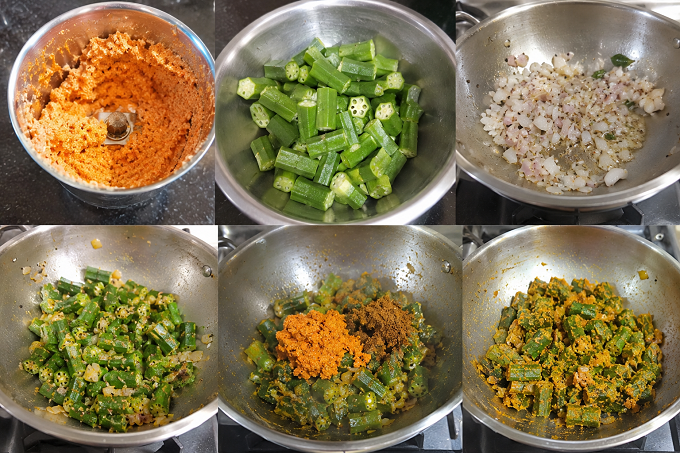
- Add the shredded coconut and red chilli powder to a blender. Grind without adding any water until you get a fine, thick paste. Keep it aside.
- Wash the bhindi thoroughly and dry it completely using a clean kitchen towel. Trim both ends of each bhindi and make a shallow slit lengthwise along one side.
- Cut into pieces approximately 2 cm long. Avoid cutting the bhindi too finely.
- Heat oil in a pan over medium heat. Add the mustard seeds and allow them to crackle. Add the hing and turmeric powder, followed by the finely chopped onion.
- Cook the onions for 2–3 minutes. Add the chopped bhindi and mix well. Saute over medium heat for approximately 10 minutes, keeping the pan uncovered.
- Do not cover with a lid, as this helps the excess moisture evaporate and prevents the bhindi from becoming slimy.
- After the bhindi has cooked for about 10 minutes, add the prepared coconut paste and mix well.
- Add the goda masala or garam masala, sugar if using, and salt to taste. Mix everything thoroughly so the masala coats the bhindi evenly.
- Continue cooking until the bhindi is tender and the coconut masala is well combined with the spices. Taste and adjust the seasoning if needed.
- Bhindi Coconut Masala is ready to serve!